
As consumers increasingly seek authentic relationships with brands, social media is no longer just about posting content or running ads. Today, success on social platforms depends on one key factor: community.
Brands with millions of followers can still struggle to see results, while smaller brands with strong communities often outperform them. The difference lies in engagement, loyalty, and trust, all of which are driven by social media communities.
In this guide, we’ll break down what a social media community is, why it matters, how to build one effectively, and which platforms work best for community-driven growth in 2026.
What Is a Social Media Community?
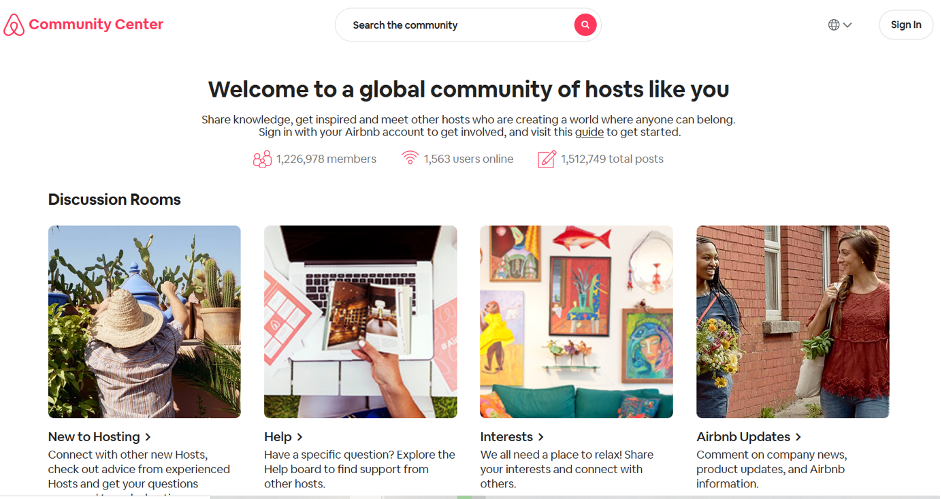
A social media community is a group of people who connect around shared interests, values, goals, or experiences on a social platform. These communities go beyond likes and follows, they foster conversation, belonging, and ongoing interaction.
Instead of brands talking at audiences, communities allow brands to talk with them.
Simple Social Media Community Definition
A social media community is a digital space where people actively engage with each other and a brand through discussions, shared content, feedback, and collaboration.
Types of Social Media Communities
Social media communities generally fall into two main categories:
1. Organized Communities
These are structured spaces such as:
- Facebook Groups
- Reddit subreddits
- Discord servers
- LinkedIn Groups
They are intentionally created and moderated to support focused discussions.
2. Informal Communities
These develop organically through:
- Comments and replies
- Hashtag conversations
- Mentions and shares
- User-generated content
Both types are powerful when managed correctly, and many successful brands use a mix of both.
Why Social Media Communities Matter
Social media communities matter because modern consumers value connection over promotion.
People no longer want to be sold to, they want to be heard.
Key Reasons Communities Are Important
1. Increased Engagement
Community-driven accounts consistently see higher:
- Comments
- Shares
- Saves
- Repeat interactions
Engagement is a strong signal for social algorithms, meaning community content often gets more reach.
2. Stronger Brand Loyalty
When users feel part of a community, they:
- Stay longer
- Defend the brand
- Recommend it to others
Community members often become brand advocates.
3. Better Audience Insights
Communities provide real-time feedback about:
- Customer needs
- Pain points
- Content preferences
- Product ideas
This is often called social listening, and it’s invaluable.
4. Higher Conversion Rates
Trust leads to action. Community members are far more likely to:
- Sign up
- Purchase
- Subscribe
- Return
How Brands Benefit from Social Media Communities
Brands that invest in communities often experience:
- Increased engagement rates
- Stronger emotional connection with customers
- Greater organic reach
- Consistent user-generated content
- Long-term customer retention
- Reduced dependency on paid ads
In short, communities compound value over time.
How to Build a Social Media Community
Building a community doesn’t require massive budgets, it requires consistency, authenticity, and participation.
1. Make Your Brand Discoverable
Ensure your profiles are easy to find by:
- Using relevant hashtags
- Linking social profiles on your website and emails
- Participating in niche conversations
Visibility is the first step to community growth.
2. Be Responsive and Present
Communities thrive on conversation.
Reply to:
- Comments
- Mentions
- Questions
- Feedback
A brand that responds feels human, and humans build communities.
3. Engage With Your Audience’s Content
Community is a two-way relationship.
- Like and comment on user posts
- Share user-generated content
- Acknowledge loyal members
This makes people feel seen and valued.
4. Turn Followers Into Participants
Passive followers don’t build communities, active members do.
Encourage participation through:
- Q&A sessions
- Polls
- Challenges
- Giveaways
- Discussion prompts
Participation creates belonging.
5. Listen Before You Speak
Social media communities are built on listening, not broadcasting.
Monitor:
- Comments
- Mentions
- Discussions about your niche
Then respond with relevance and empathy.
Which Social Media Platforms Are Best for Communities?
Not all platforms are equally suited for community building.
Some of the most effective platforms in 2026 include:
- Topic-based communities (subreddits)
- High engagement
- Strong sense of belonging
- Ideal for niche audiences
Reddit rewards authenticity and participation over promotion.
Quora
- Knowledge-driven communities
- Long-form discussions
- Ideal for authority and trust-building
Quora communities thrive on expertise and helpfulness.
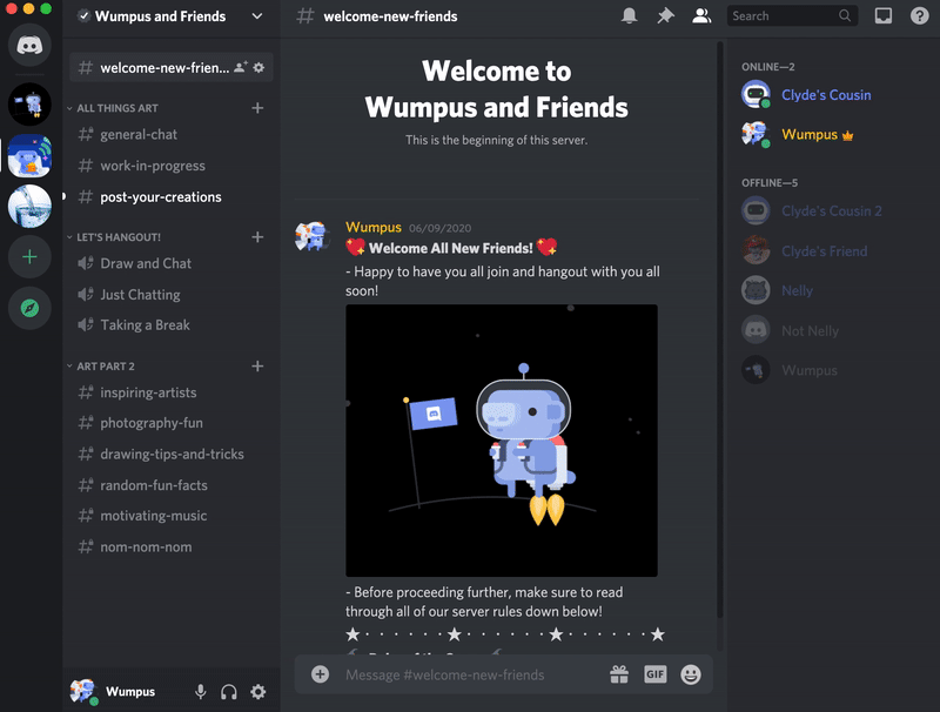
Discord
- Real-time interaction
- Highly loyal members
- Excellent for brands, creators, and SaaS
Discord communities feel personal and exclusive.
Why Community Platforms Outperform Traditional Social Media
Unlike purely visual platforms, community-driven platforms:
- Encourage conversation
- Reward contribution
- Foster loyalty
They also generate user-generated content, which feels more authentic than branded posts.
Risks and Responsibilities of Community Building
While communities are powerful, they require responsibility.
Potential challenges include:
- Negative feedback
- Public criticism
- Moderation demands
However, brands that engage transparently and respectfully often turn challenges into trust-building opportunities.
FAQs – Social Media Communities
1. What is a social media community?
A social media community is a group of people who engage around shared interests or values on a social platform.
2. Why are social media communities important?
They increase engagement, loyalty, trust, and long-term brand growth.
3. How is a community different from followers?
Followers consume content; community members actively participate and interact.
4. Which platform is best for building a community?
It depends on your niche, but Reddit, Quora, and Discord are highly effective.
5. Can small brands build strong communities?
Yes. Strong communities are built on interaction, not size.
6. How long does it take to build a community?
Community building is gradual and grows through consistent engagement over time.
7. Do communities help with sales?
Yes. Community members convert at higher rates due to trust and loyalty.
Conclusion.
Social media communities are no longer optional, they are essential.
Follower counts don’t guarantee results. Relationships do.
Whether you’re a startup, creator, or global brand, building a social media community helps you:
- Stay relevant
- Build trust
- Drive sustainable growth
The brands that win in 2026 will be the ones that prioritize connection over promotion.